
Comparing Crypto Broker Platforms for New Investors
In recent years, the surge in popularity of cryptocurrencies has led to a growing number of crypto broker platforms catering to new investors. Choosing the right platform is crucial for beginners who want to navigate the complex world of digital assets safely and efficiently. When comparing crypto broker platforms, several key factors must be considered to ensure a smooth and rewarding investment experience.
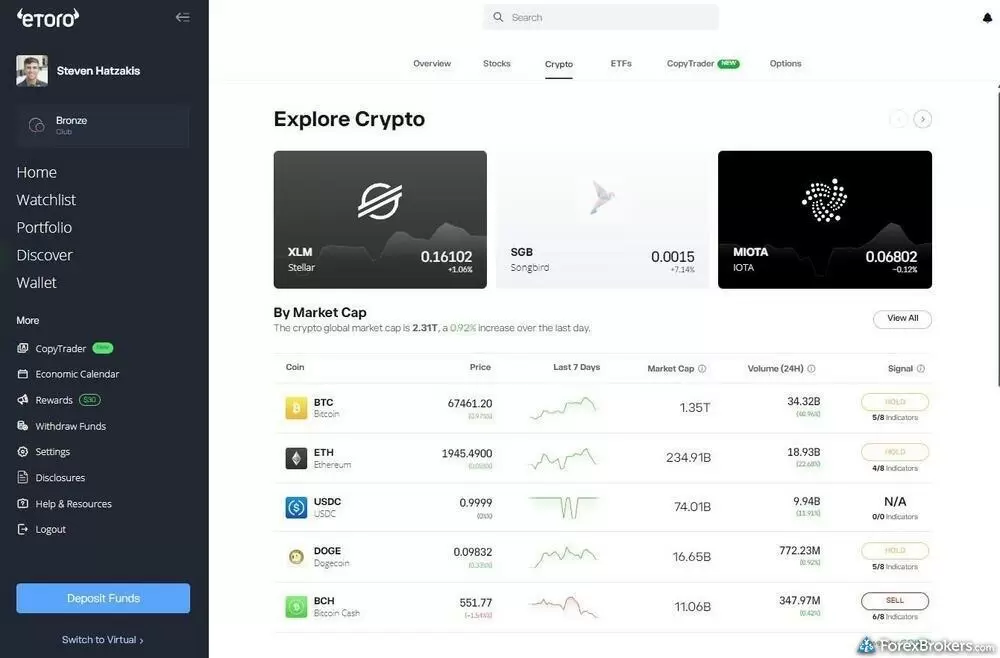
First and foremost, ease of use is paramount for new investors. A user-friendly interface with intuitive navigation helps reduce the learning curve associated with trading cryptocurrencies. Platforms that offer clear instructions, tutorials, and customer support are particularly beneficial for those just starting out. Many beginner-friendly brokers provide demo accounts or simulated trading environments where users can practice without risking real money.
Security measures are another critical aspect when selecting a crypto broker platform. Since digital currencies are susceptible to hacking and fraud, it’s essential that brokers implement robust security protocols such as two-factor authentication (2FA), cold storage for funds, encryption technologies, and regular security audits. Transparency about these measures often reflects the platform’s commitment to safeguarding its users’ assets.
The range of cryptocurrencies available on a platform also plays an important role in decision-making. While Bitcoin and Ethereum remain dominant choices Redem Strategies among investors, many newcomers seek access to altcoins or tokens with potential growth opportunities. Platforms offering a diverse portfolio enable users to explore different investment options without needing multiple accounts across various exchanges.
Fees associated with trading can significantly impact profitability over time. New investors should compare transaction fees, deposit and withdrawal charges, as well as any hidden costs that might apply during their trading activities. Some brokers operate on fixed fee structures while others use percentage-based commissions; understanding these differences helps in managing expenses effectively.
Regulation status is another vital consideration when evaluating crypto broker platforms. Regulated brokers tend to adhere to strict compliance standards which protect investor interests by ensuring fair practices and transparency. Beginners should prioritize platforms regulated by reputable financial authorities in their respective countries or regions.
Customer service quality cannot be overlooked either since timely assistance can resolve issues related to account setup, transactions, or technical glitches promptly-minimizing frustration for new traders who may not yet be familiar with common challenges in cryptocurrency investing.
Finally, additional features such as mobile app availability, educational resources like webinars or articles, automated trading options including bots or copy-trading capabilities enhance overall user experience for novices aiming at steady growth rather than quick speculation.
In summary, new investors looking into crypto broker platforms must weigh usability against security features while considering asset variety and cost efficiency within regulatory frameworks supported by responsive customer service systems-a balanced approach ensures confidence building during early stages of cryptocurrency investment journeys.