

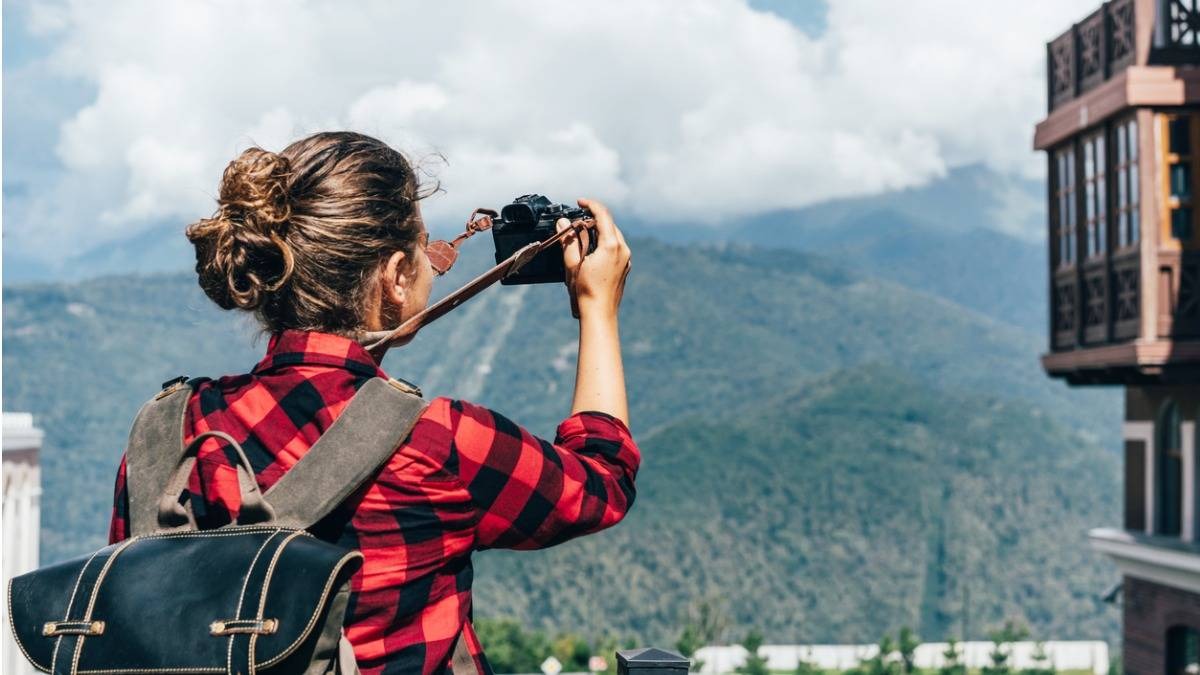
Capturing stunning travel photos is an art that combines creativity, technical skills, and a keen eye for detail. Whether you are an amateur or a seasoned photographer, there are several tips you can follow to enhance your travel photography and create images that truly reflect the beauty and essence of the places you visit.
Firstly, understanding your equipment is crucial. Familiarize yourself with your camera’s settings before you embark on your journey. Knowing how to adjust exposure, aperture, shutter speed, and ISO will allow you to adapt quickly to different lighting conditions and capture sharp images. If using a smartphone, explore its advanced features such as manual mode or HDR settings to improve photo quality.
Lighting plays a vital role in Travel photography. The golden hours-shortly after sunrise and just before sunset-offer soft, warm light that adds depth and dimension to your photos. Avoid harsh midday sun which can cause unwanted shadows and highlights. Overcast days can also be beneficial as they provide even lighting without strong contrasts.
Composition is another fundamental aspect of stunning travel photos. Apply the rule of thirds by dividing your frame into nine equal parts using two horizontal and two vertical lines; place key elements along these lines or at their intersections for balanced shots. Incorporate leading lines like roads or rivers to draw viewers’ eyes into the scene. Experiment with framing techniques such as shooting through natural frames like arches or foliage to add context.
Capturing candid moments often results in authentic storytelling images that showcase local life and culture more vividly than posed shots. Be patient and observant; sometimes waiting for the right moment makes all the difference between an ordinary picture and an extraordinary one.
Don’t neglect foreground interest-it gives photographs a sense of scale and depth by adding layers between the viewer’s eye and background scenery. Including people in landscapes not only provides perspective but also brings energy to otherwise static scenes.
Post-processing should be approached with subtlety; enhancing colors slightly or adjusting contrast can make images pop without losing their natural feel. Use editing tools responsibly so that final photos remain true representations of what was seen during travels.
Lastly, practice regularly while traveling helps hone skills over time; review each day’s shots critically but constructively so improvements become evident on subsequent outings.
By combining technical knowledge with creative vision-and embracing patience-you’ll be able to capture breathtaking travel photographs that tell compelling stories about your adventures around the world.